 Wildlife
of Malaysia
Etruscan Shrew
Pangolins, Treeshrews, Shrews & Gymnures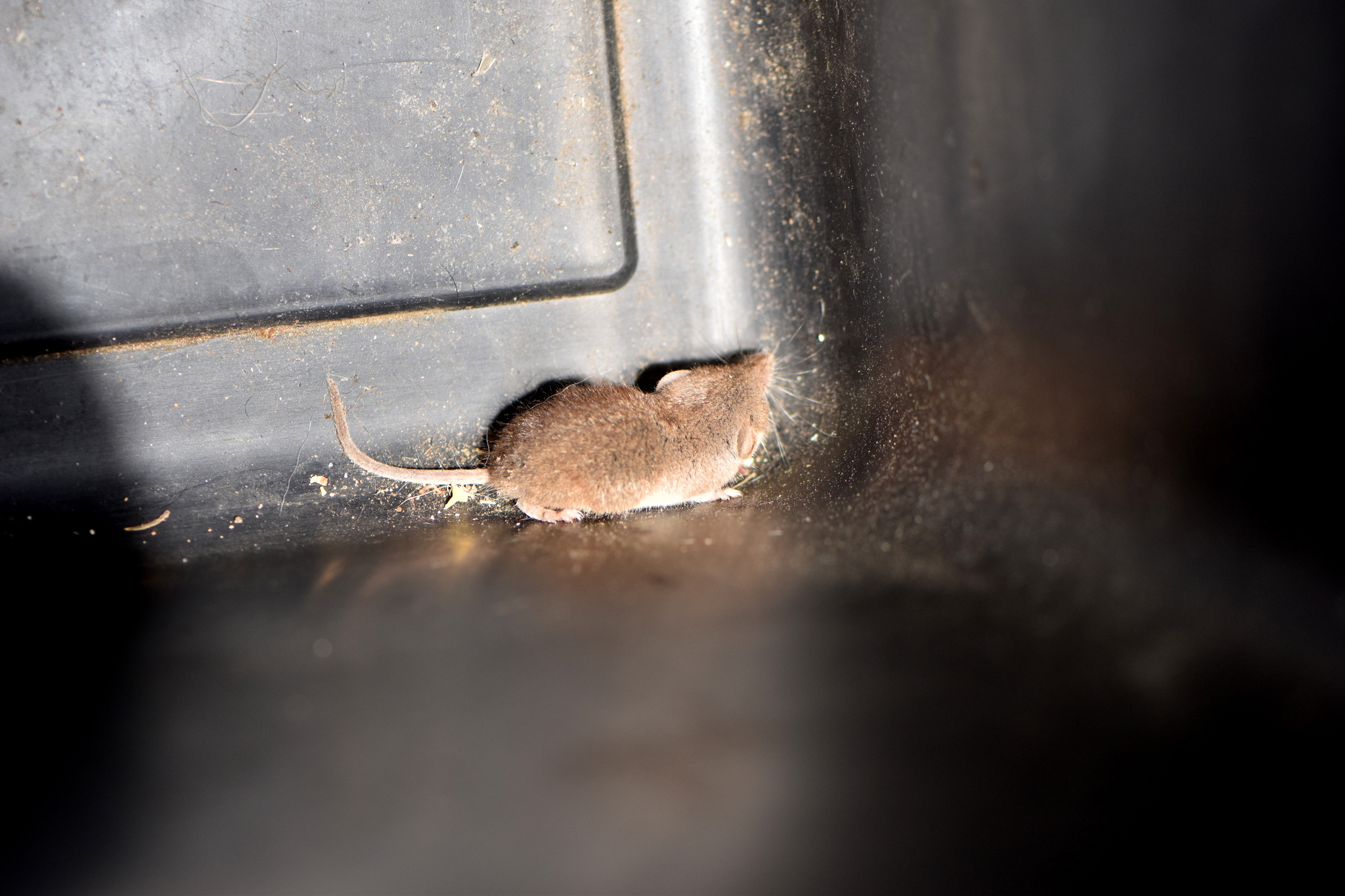
Photo: Lies Van Rompaey on iNaturalist · CC BY 4.0 (May be cropped or resized)
Suncus etruscus
Basic stats
Diet
Invertebrates including insects, larvae and earthworms; also young amphibians, lizards and rodents
Habitat
Warm, damp, shrubby ground where grassland or scrub meets deciduous forest
Litter size
2–6
Gestation period
27–28 days
Size
About 4cm body, excluding the tail
Weight
About 1.8g
The Etruscan shrew, also known as the Etruscan pygmy shrew or Savi's pygmy shrew, is the smallest known living mammal by mass, weighing about 1.8 g with a body of about 4 cm excluding the tail. It has a long mobile snout, protruding ears and pale brown fur. Its metabolism is so fast that it eats one and a half to two times its body weight daily, mostly invertebrates such as insects, larvae and earthworms, and sometimes the young of amphibians, lizards and rodents (Wikipedia, general species account).
Across its very wide range it favours warm, damp, shrubby ground, often where open terrain meets deciduous forest. It mates mainly from March to October, gestation is 27 to 28 days and litters are two to six (Wikipedia, general species account).
Quick answers
- What does the Etruscan Shrew eat?
- Invertebrates including insects, larvae and earthworms; also young amphibians, lizards and rodents
- What habitat does the Etruscan Shrew live in?
- Warm, damp, shrubby ground where grassland or scrub meets deciduous forest
- What is the litter size of the Etruscan Shrew?
- 2–6
- How long is the gestation period of the Etruscan Shrew?
- 27–28 days
- How big is the Etruscan Shrew?
- About 4cm body, excluding the tail
- How much does the Etruscan Shrew weigh?
- About 1.8g